About Yoga Sādhana
Yoga Sādhanā- From lineage to living practice
First- a bit of yoga philosophy.
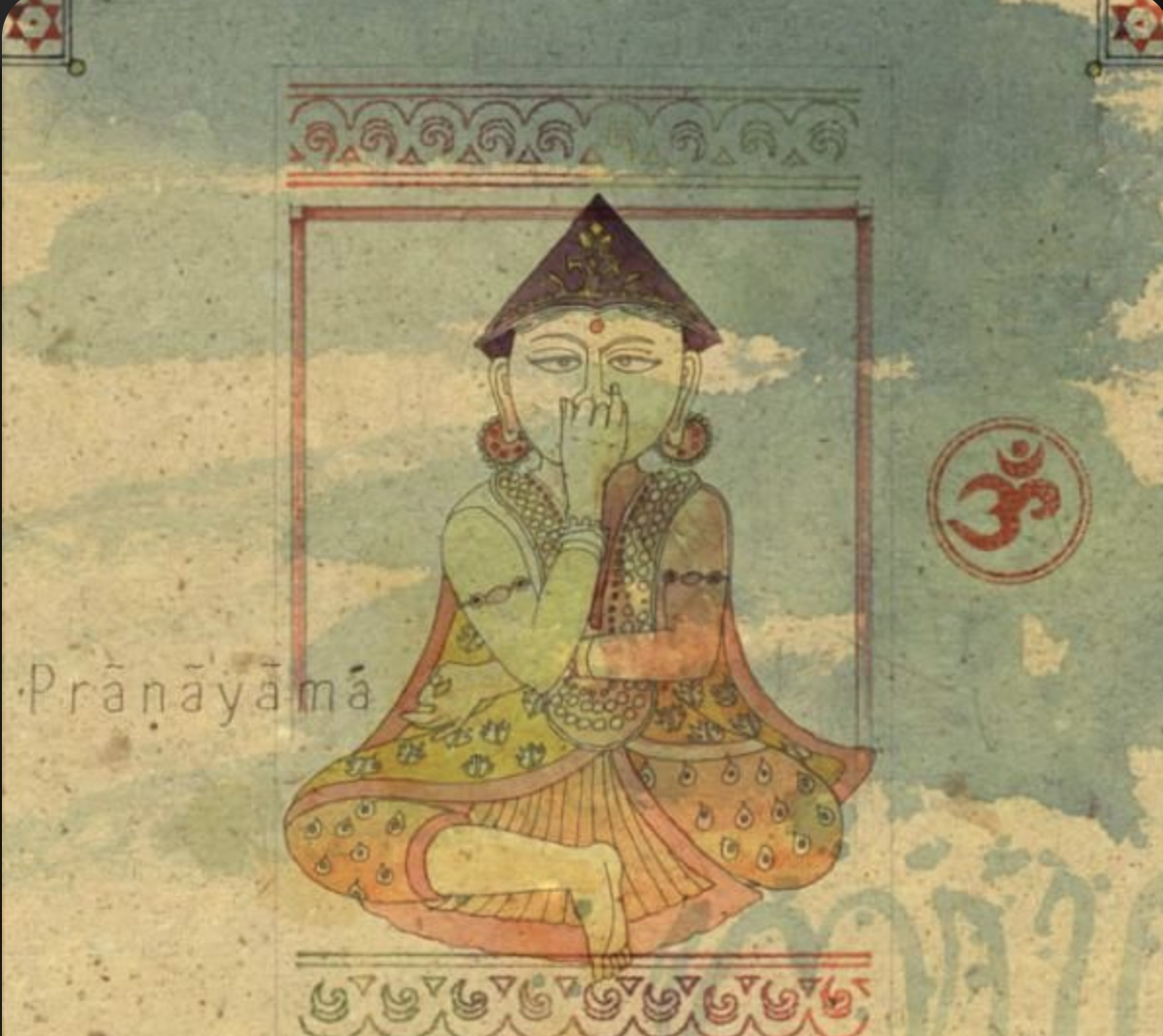
It’s important to know- WHY DO WE PRACTICE YOGA? According to Patanjali’s Yoga Sutras, the ‘guidebook’ for yoga so to speak, the goal of yoga is ultimately Samādhi- a state of pure consciousness or bliss. We ultimately achieve this through what we call the 8 limbs of yoga. Yama (restraints), Niyama (observances), Asana (postures), Pranayama (breath control), Pratyahara (sense withdrawal), Dharana (concentration), Dhyana (meditation), and Samadhi (absorption or enlightenment).
Through these practices we are aiming to balance three states of being we often find ourselves in as humans- the three gunas (Triguna Yoga, was the school I trained at). So what are the three gunas? These are fundamental energies or qualities that shape the universe and everything within it: Sattva, Rajas, and Tamas.
Sattva- the pure, true self, knowledge.
Rajas- dynamism,ambition, desire and what gets us out of bed in the morning. If too high, can be the ‘overthinking mind’ or monkey mind.
Tamas- lethargy, darkness, feeling sluggish. Resistance to change.
For example if we feel low energy, or heavy with tamas, then Pranayama (breath) is the remedy. If we have too much Rajas, or overthinking, then conscious movement, or asanas can be what is needed. Yoga is an ancient remedy, a practice rooted in thousands of years of wisdom.
In our classes, we explore this vast, layered tradition step by step- bringing ancient principles into the rhythm of our daily lives. It is a way of life helping us harmonise body, mind and spirit in ‘yuj’ or union (योग).
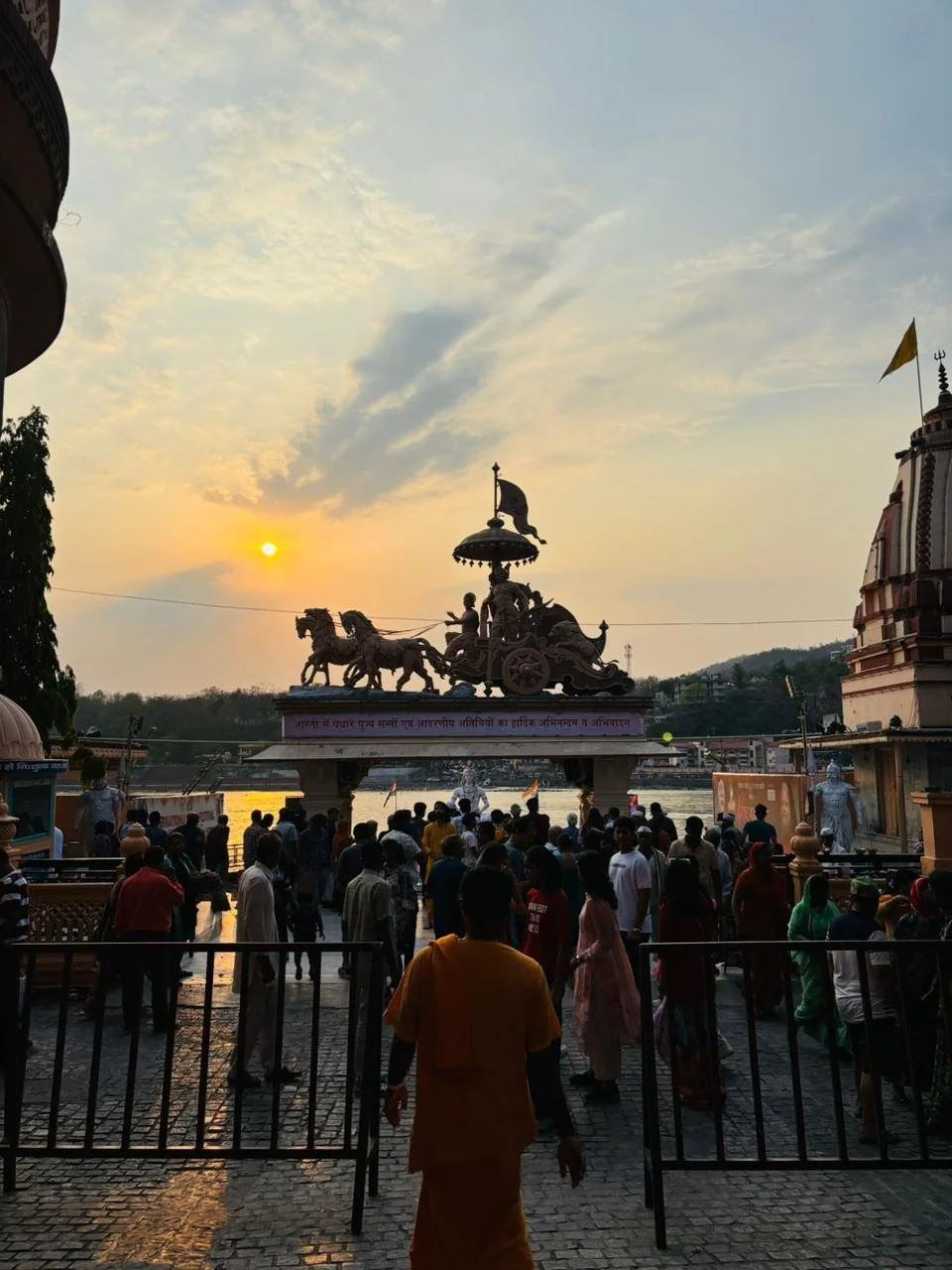
Ganga Aarti is Parmarth Niketan Ashram, Rishikesh. A sacred ritual honouring the Ganges and prayer for collective peace.

The Sanskrit word "Yoga" (योग) is derived from the root "yuj," meaning "to join," "to yoke," or "to unite," and signifies the union of the mind, body, and spirit. This concept of union extends to the integration of individual consciousness with universal consciousness.
It is so important we remember this meaning of yoga as union, and not get lost in the hype of yoga as just a workout.
Sanskrit also played a crucial foundational role in Tibetan Buddhism, as many of its sacred texts and philosophical treatises were translated from Sanskrit into Tibetan starting in the 7th century.
Now Northern India, particularly the Himalayan region and Dharamshala, the home of the Tibetan government in exile, is a renowned destination for yoga, with Rishikesh in Uttarakhand being famously known as the "Yoga Capital of the World". This is where I trained with Triguna Yoga for my yoga teacher training.
GROUP CLASSES
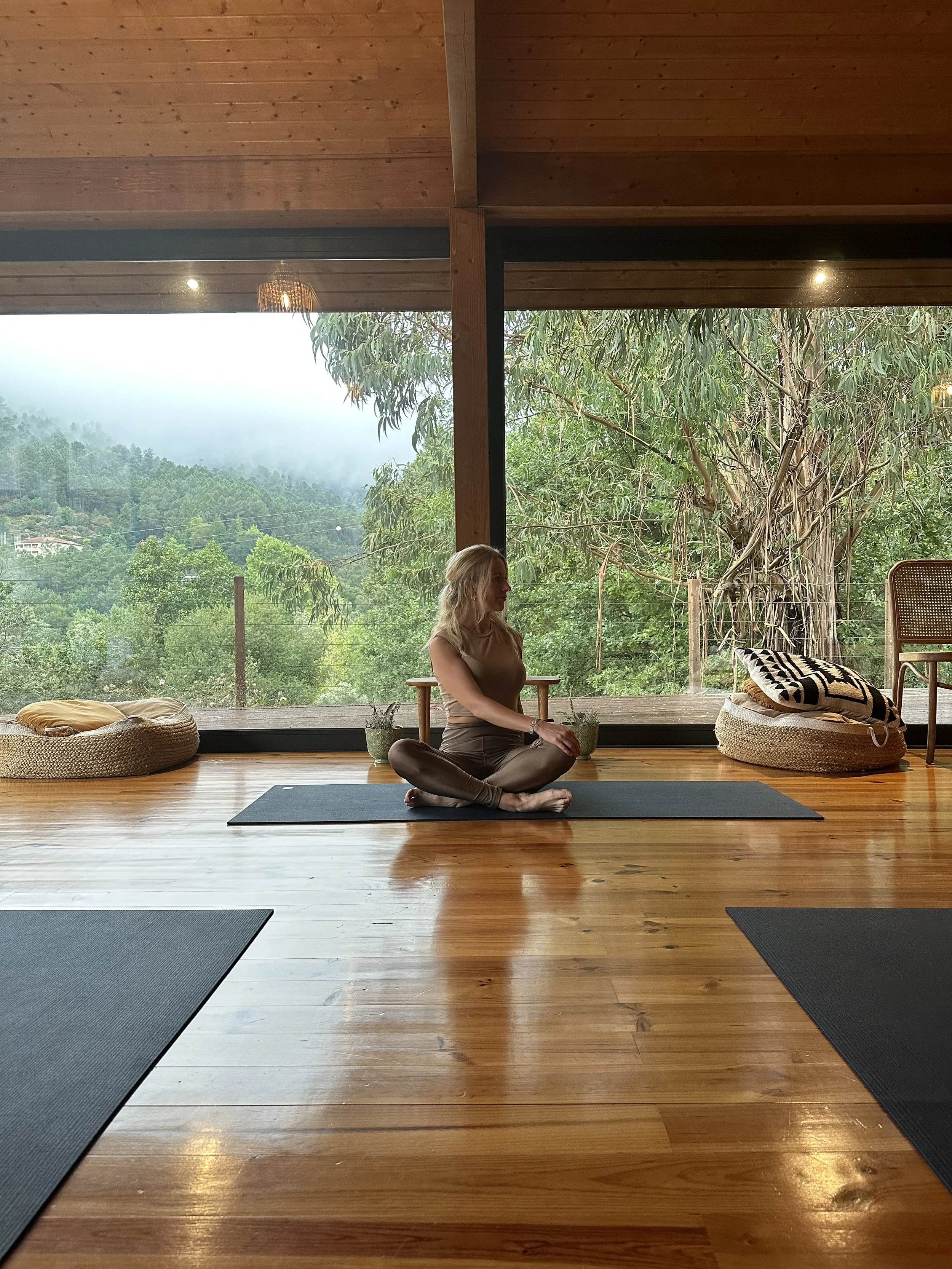
These are suitable for all levels. Yin and Vinyasa flow. My classes always include breathwork and meditation as well. I travel a lot and therefore updates on group class schedules are provided when you subscribe to emails.
EVENTS & RETREATS

These are through my community schedule and updates on retreats are sent through email. Tailor made, creative fusions and co-creations.
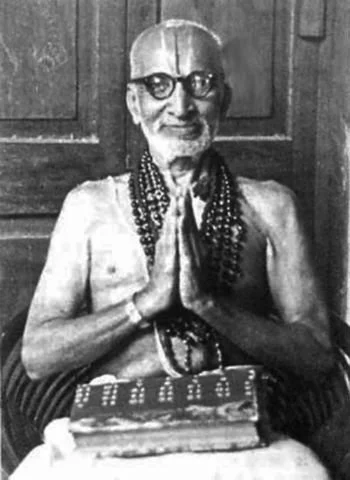
“Master your breath, let the self be in bliss, contemplate on the sublime within you.”
Tirumalai Krishnamacharya, ‘Father of Modern Yoga’